About Eldrim
AI infrastructure should be built differently
Sovereign European compute, designed to use energy efficiently, minimize consumptive water use and put the resulting heat to work.
From Haparanda to computing systems
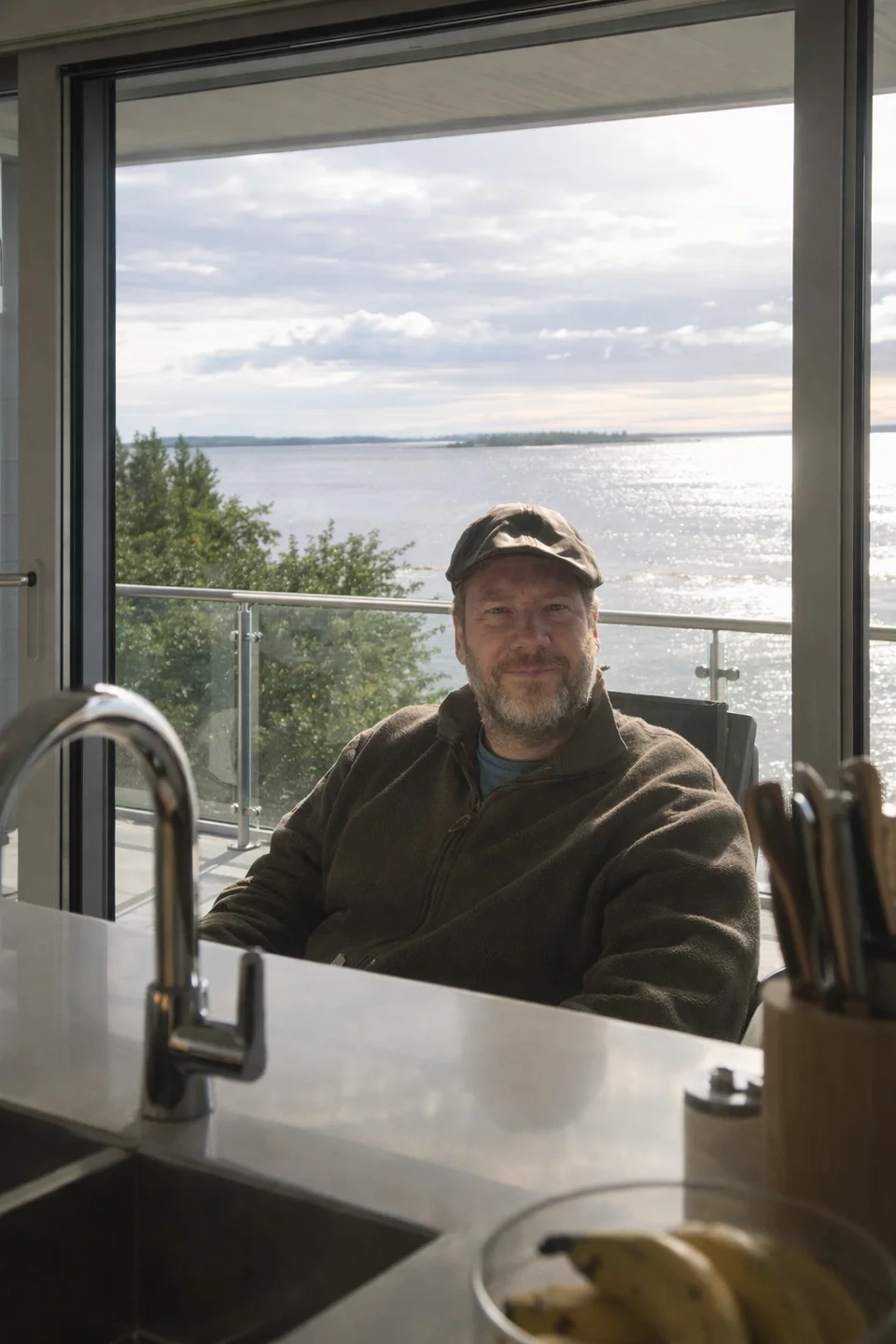
Erik Stenman grew up in Haparanda, on Sweden’s border with Finland. He left the north to study computer science and spent the next three decades building computing systems: compilers and virtual machines, Klarna’s early payment infrastructure, distributed systems processing billions of transactions, and programming languages.
His PhD work at Uppsala University focused on native-code compilation for the BEAM virtual machine. As Klarna’s first CTO, he worked on the constraints of a growing payment system. Across those systems, the work meant understanding where resources went and what limited the whole.
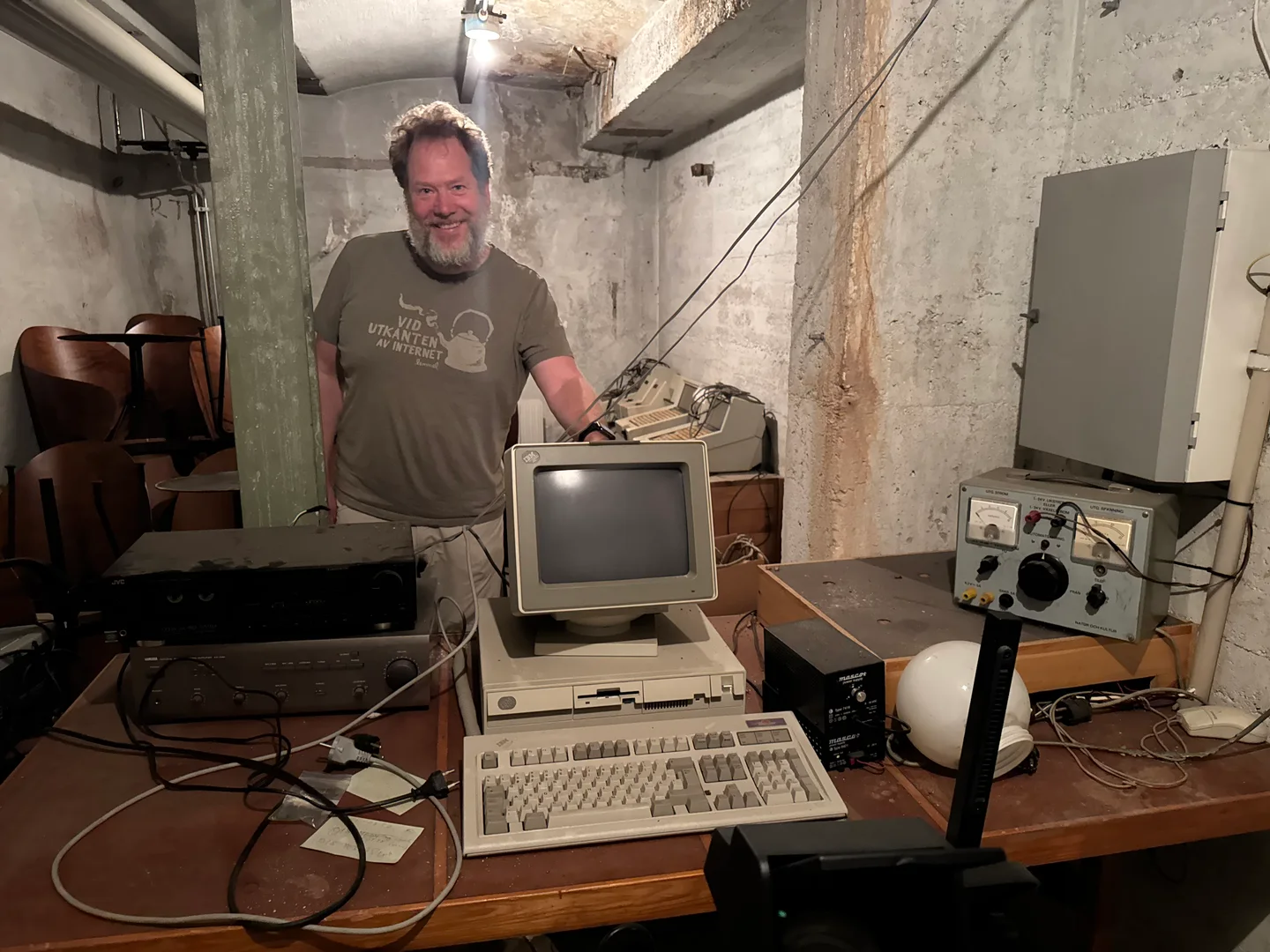
The physical machine was never far away. Erik has built PCs from components since the late 1980s. He once experimented with water cooling: a heat exchanger coupled the computer’s cooling circuit to the borehole circuit of his ground-source heat pump. His biggest problem was that the computer became too cold.
AI brought the problem back to the physical machine.
At AI scale, software architecture meets electricity, memory bandwidth, networking and heat. And that raised a question that eventually led back to Haparanda: what would AI infrastructure look like if we designed the entire system around those constraints from the beginning?
Eldrim is the attempt to answer that question.
Back to the North
Every watt consumed by an AI computer eventually becomes heat. The location and design of the computer determine whether that heat can do useful work.
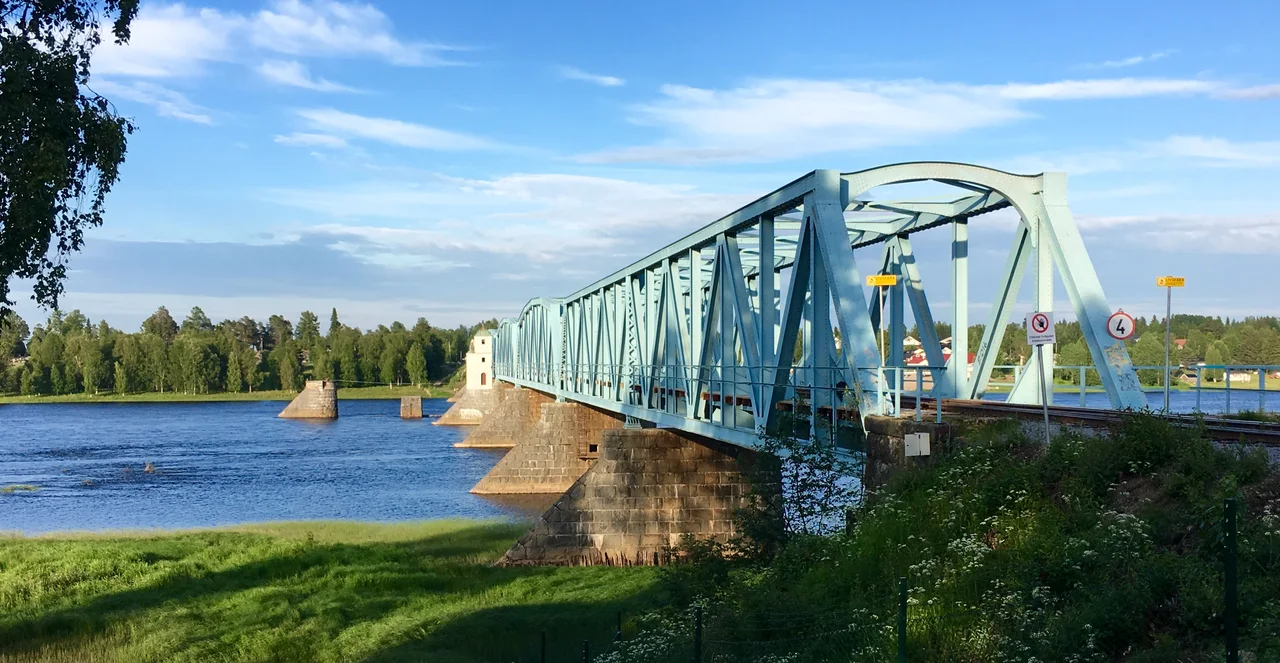
Northern Sweden brings the questions together: access to electricity, a cold climate, connections to European networks, and communities that need heat. The opportunity we are investigating is to connect compute to those local energy systems.
Electricity would power AI compute. Warm-water cooling would capture the resulting heat. A building, industrial process or district-heating network could then use it, where temperatures and demand fit. Seasonal storage could help when compute runs through the summer but heating demand falls.
That is an engineering direction. Grid capacity, heat customers, network routes and storage conditions still need to be established at the actual site.
Build it step by step
Today, Eldrim’s API is in early access, behind an OpenAI-compatible gateway. We test it on our own hardware in Sweden. Production capacity will come from Swedish data-centre providers, which we are arranging now.
The next step we intend to build is modular Eldrim-operated compute. From there, the goal is infrastructure connected directly to local energy systems, followed by computers designed specifically around memory bandwidth, networking, energy efficiency and heat recovery. Each stage is intended to fund, validate and de-risk the next.
Haparanda is a possible future site under investigation. It is not an announced or committed compute facility. Customer demand comes first; feasibility work on power, connectivity and heat recovery follows.
Ultimately, we want the thermal system to be part of the computer itself.

Sustainable and sovereign
For us, sovereign AI means knowing and controlling where computation happens, under which jurisdiction, who operates it and which dependencies remain.
Sustainable AI means measuring the physical system: electricity used, water consumed, heat captured and heat put back to useful work.
We do not claim to have solved either problem yet. Eldrim is being built step by step, with each stage intended to prove the next one.
The goal is clear:
Give European organisations control over their AI compute, with infrastructure that uses electricity and water efficiently and puts the resulting heat to work.
Eldrim
Eldrim means fire and ice. The fire is the compute. The ice is the north.
Eld is Swedish for fire. Rim means hoarfrost, a coating of ice crystals. It is the rim in rimfrost, related to Old Norse hrím and English rime.
The same frost appears in rimtursar, the frost giants of Norse mythology. SAOB records the word and its relatives.
AI compute turns electricity into computation and heat. We intend to make both outputs useful.
Contact
- Compute, partnerships and general enquiries
- sales@eldrim.ai
- Customer support
- support@eldrim.ai
Tell us what you are building and what constraints matter. Start with a 30–45 minute AI Infrastructure Review, or request early API access. Existing customers can use the console.
Eldrim Compute is a brand of Happi Hacking AB, org. nr 556912-2707, Stockholm, Sweden.